
Eight automatics compared on power reserve, movement type, and manual vs. self-winding, not just brand names. Real specs and honest buying advice.
Best Automatic Watches for Men: What Actually Differs Between Them
Most automatic watch guides list names and prices. The more useful question is what's actually inside: a Swatch Group movement, a well-established third-party caliber like Miyota, or genuinely manual-wind rather than self-winding at all.
Six of these eight have full, in-depth reviews elsewhere on this site. This guide organises them by what the movement actually is and does, not just by brand name.
- Manual-wind versus automatic, a distinction that gets blurred often
- In-house-adjacent movements versus well-known third-party calibers
- What power reserve actually buys you day to day
- A full comparison table across all eight
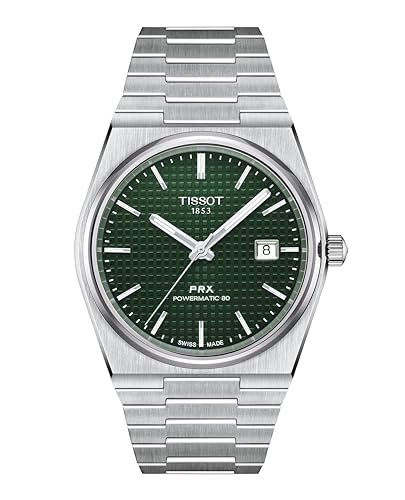
- Longest power reserve The Tissot PRX Powermatic 80 at 80 hours, roughly double most of the others here, meaning it can sit unworn over a long weekend and still be running.
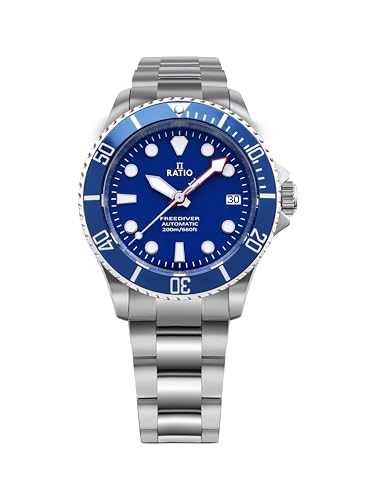
- Best value automatic The RATIO FreeDiver at €107, a genuine Japanese automatic with sapphire crystal and 200m water resistance, not a discount imitation.
- Not actually automatic The Hamilton Khaki Field Mechanical is manual-wind, not self-winding. It’s commonly grouped with automatics but needs daily winding by hand.
- Same family, different reserve Citizen’s standard Tsuyosa (caliber 8210, 40 hours) and Tsuyosa 60 (caliber 8310, 60 hours) show what a single movement upgrade actually buys within one collection.
What actually differs between these movements
Two watches can both say “automatic” and mean genuinely different things in daily use. This guide is organised around three real distinctions rather than brand names alone.
-
Manual-wind versus automatic
An automatic movement winds itself from the motion of your wrist. A manual-wind movement, like the Hamilton here, needs to be wound by hand, typically daily. Both are mechanical, but the day-to-day experience is different.
-
In-house-adjacent versus third-party calibers
The Tissot’s Powermatic 80 is built on Swatch Group’s own ETA-based architecture. Several others here use Miyota or comparable third-party movements, well-established and reliable, but not proprietary to the brand on the dial.
-
Power reserve in practice
A 40-hour reserve means a watch taken off Friday evening is typically stopped by Sunday morning. An 80-hour reserve covers a full weekend and then some without needing to reset the time and date.
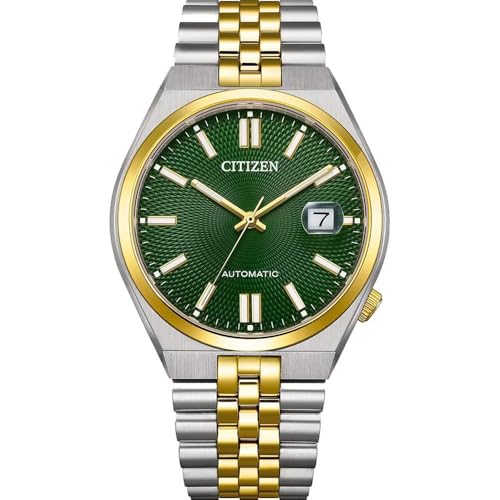
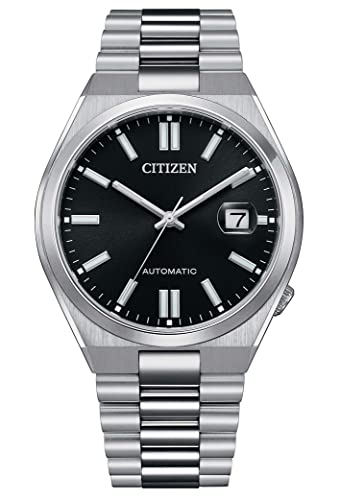
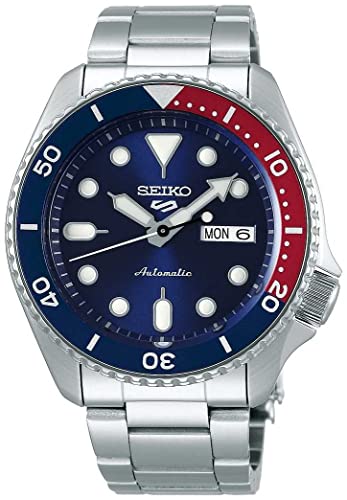
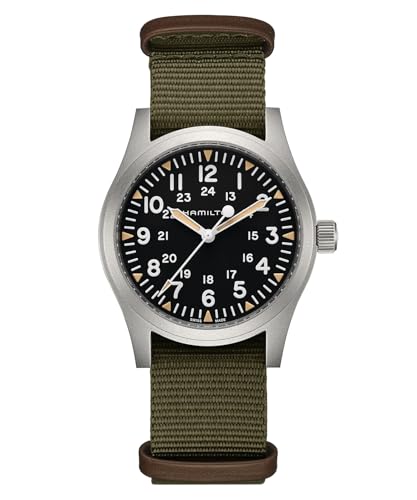
Full, in-depth reviews are available for four of these: the Citizen Tsuyosa 60, the standard Citizen Tsuyosa, the Bulova Sutton, and the Bulova Aerojet.
The Bulova Sutton (€429) and Aerojet (€264.51) both use automatic movements with visible mechanics through an open dial, but they’re genuinely different pieces. The Sutton has a full skeleton dial and sapphire crystal, confirmed directly by Bulova’s own product page even though the Amazon listing itself doesn’t mention either detail. The Aerojet uses a Miyota automatic movement, identified independently by watch review site Time Transformed, visible through a smaller open-heart window rather than a full skeleton. Same basic idea, meaningfully different execution and price.
|
Longest reserve
Tissot PRX
|
Family upgrade
Tsuyosa 60
|
Best value
RATIO FreeDiver
|
Manual-wind
Hamilton Khaki
|
|
|---|---|---|---|---|
|
|
|
|
|
|
| Winding type | Automatic | Automatic | Automatic | Manual-wind |
| Movement family | Powermatic 80 (ETA-based) | In-house caliber 8310 | Japanese automatic | Caliber 2804-2 (ETA-based) |
| Power reserve | 80 hours | 60 hours | Not stated | ~38 hours |
| Water resistance | 100m | 50m | 200m | 50m |
| Price | €600.76 | €344.74 | €107.00 | – |
| BUY NOW | BUY NOW | BUY NOW | BUY NOW |
Which movement type actually suits you
A longer power reserve (the Tissot’s 80 hours, or the Tsuyosa 60’s 60 hours) means less resetting the time and date after a few days off the wrist.
The RATIO FreeDiver and the standard Bulova Aerojet both offer real automatic movements without paying for a Swiss in-house caliber.
The Hamilton here is genuinely manual-wind. If winding by hand daily isn’t what you want, the other seven are all self-winding automatics.
The Bulova Sutton (full skeleton) and Aerojet (open-heart) both show real mechanical parts through the dial, a genuine talking point most automatics at this price don’t offer.
What's the difference between automatic and manual-wind?
Automatic movements wind themselves from the natural motion of your wrist. Manual-wind movements, like the Hamilton Khaki Field here, need to be wound by hand, typically daily, to keep running. Both are mechanical; the daily experience differs.
Which of these has the longest power reserve?
The Tissot PRX Powermatic 80, at 80 hours, roughly double most of the others in this list. The Citizen Tsuyosa 60 is next at 60 hours.
Is a third-party movement like Miyota worse than an in-house one?
Not necessarily worse, just different. Miyota and similar third-party movements have long, well-established reliability track records and keep the price down. In-house or brand-specific calibers, like Tissot’s Powermatic 80, tend to carry more prestige and sometimes better power reserve, at a higher price.
What's the best value genuine automatic here?
The RATIO FreeDiver at around €107, a real Japanese automatic movement with sapphire crystal and 200m water resistance, backed by dedicated independent review coverage.
- Power reserve varies from roughly 38 to 80 hours across these eight; check the actual figure, not just the word "automatic"
- The Hamilton is manual-wind, not automatic, a real distinction worth understanding before buying
“Automatic” covers more ground than the word suggests, an 80-hour Swiss Powermatic movement and a manual-wind Hamilton both get called mechanical watches, but the daily experience is genuinely different. The real decision points are power reserve, whether the movement is named and identifiable or generic, and whether you actually want self-winding rather than daily hand-winding. The RATIO and the standard Tsuyosa make the strongest case for value; the Tissot for outright capability; the Hamilton for genuine heritage, provided you’re clear it isn’t automatic at all.